
Everything You Need To Know About Hand Sanitizers

Sanitizers, something you would usually not pay a second thought to but something that is absolutely necessary in these times.
How do we pick the right sanitizer? What do we need to look out for? Are some hand sanitizers better than others? How do they even work?
Read on as we answer these questions and more. Learn everything you need to know about hand sanitizers!
Everything You Need To Know About Hand Sanitizers
1. How do sanitizers work?

The key ingredient in most hand sanitizers is alcohol. Chemically speaking, alcohols are organic molecules made of carbon, oxygen and hydrogen.
Alcohols destroy disease-causing agents, or pathogens, by breaking apart proteins, splitting cells into pieces or messing with a cell's metabolism. This process is called denaturation.
Another strength of alcohol is that the bacteria it kills don't develop a resistance to it, so alcohol doesn't lose effectiveness with continued use.
2. Is alcohol content important?
Yes! Experts agree that the more alcohol content present in the sanitizer the better. It has commonly been known for centuries that alcohol has disinfectant properties, dating back to the advent of modern science and even ancient Egyptians.
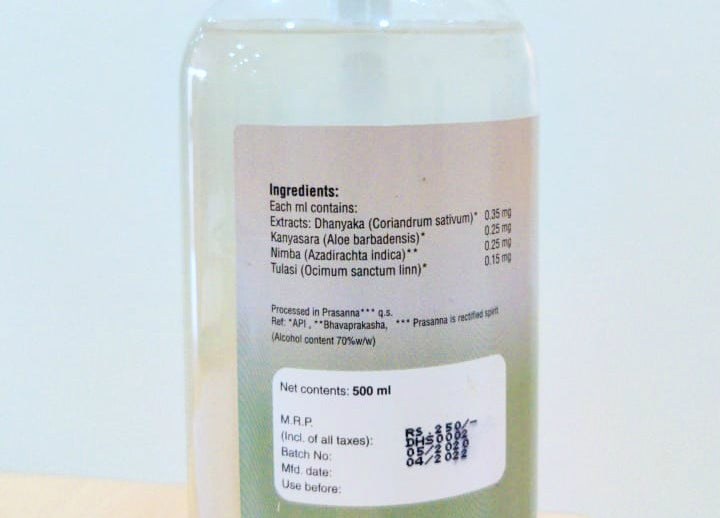
It is recommended to use hand sanitizers with at least 60% alcohol content as the effectiveness of a sanitizer increases with higher alcohol concentrations.
Our Bio-Actives infused DeBelle Hand Sanitizers have 70% alcohol content along with antibacterial ingredients such as Neem, Tulsi, and moisturizing Alos Vera extract.
3. Are sanitizers a replacement for hand washing?
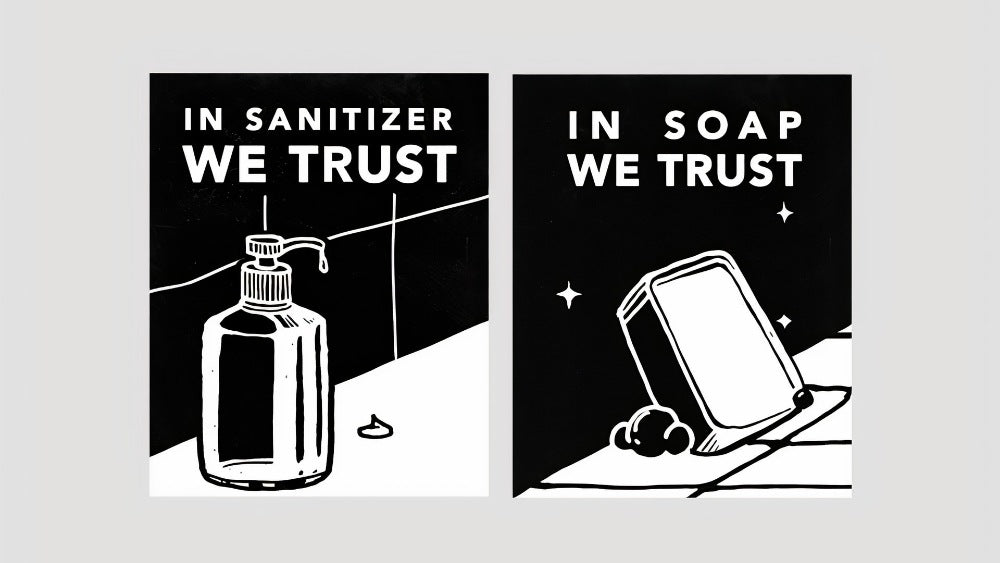
As convenient as that would be, No. While hand sanitizers do kill virus and bacteria, they do not clean your hands as soap and water would. Sanitizers do not actually remove dirt and debris from your hands whereas soap kills germs and binds with them and with the help of water all of this is washed away down the drain.
4. Do hand sanitizers expire?
While your bottle of hand sanitizer likely has an expiration date on it hand sanitizers do not truly expire. The date rather shows up to when the product contains ingredients in the amounts specified on the label.
Alcohol is a shelf-stable chemical which means that if alcohol is kept in a sealed container at room temperature it will remain at the same concentration for a very, very long time.
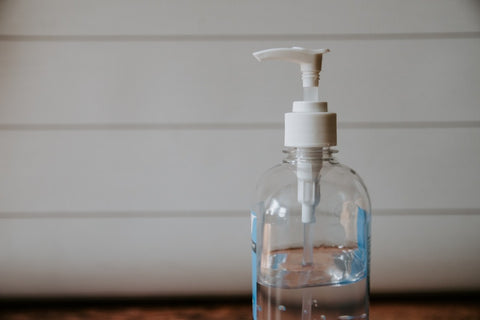
However since it has a relatively low boiling point every time the product is open and closed some of it may escape and the concentration of alcohol may decrease.
5. Is hand sanitizer bad for you or toxic?

Well no, alcohol based hand sanitizers are considered an anti septic and have no toxic effect on the skin although repeated use can cause dryness or mild irritation. Which compared to the risk of contracting deadly illnesses is a fair trade off don’t you think?
6. How much should you use?
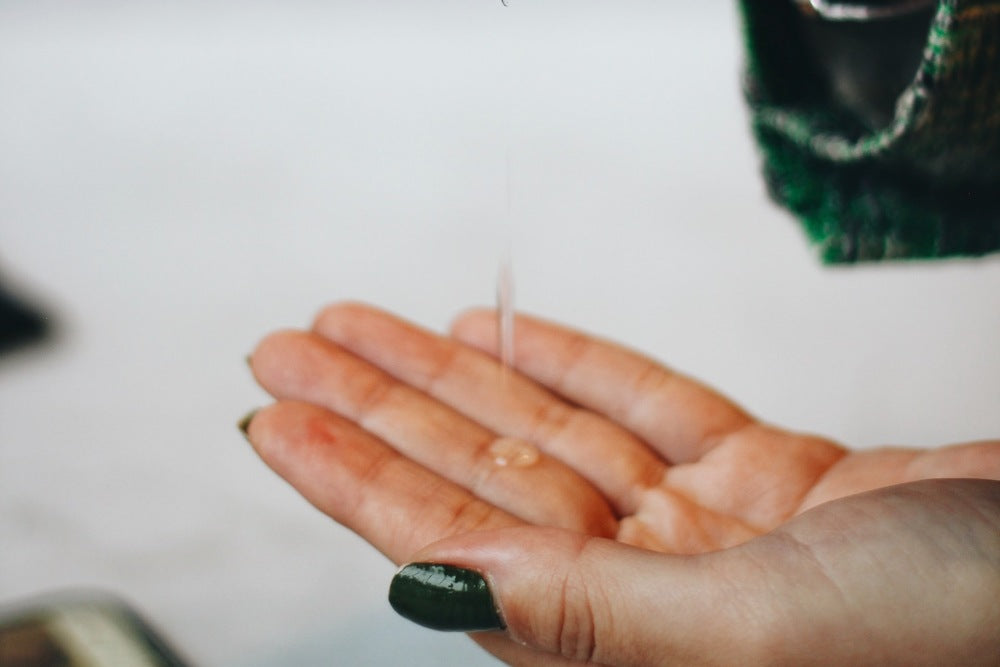
A good rule of thumb to follow to understand how much sanitizer to use is that if the gel evaporates in less than 15 seconds you have not used enough. This is a simple and easy way to figure out exactly how much to use.
7. Is there a particular way to use them?
Yes, simply throwing some hand sanitizer on your hand is not enough. Thoroughly rub the palm of your hands, get in between your fingers, under your nails, and on the back of your hand as well. The sanitizer must cover every part of your hand. Good technique is just as important as the practice of using a sanitizer in the first place.
8. Are they really necessary?
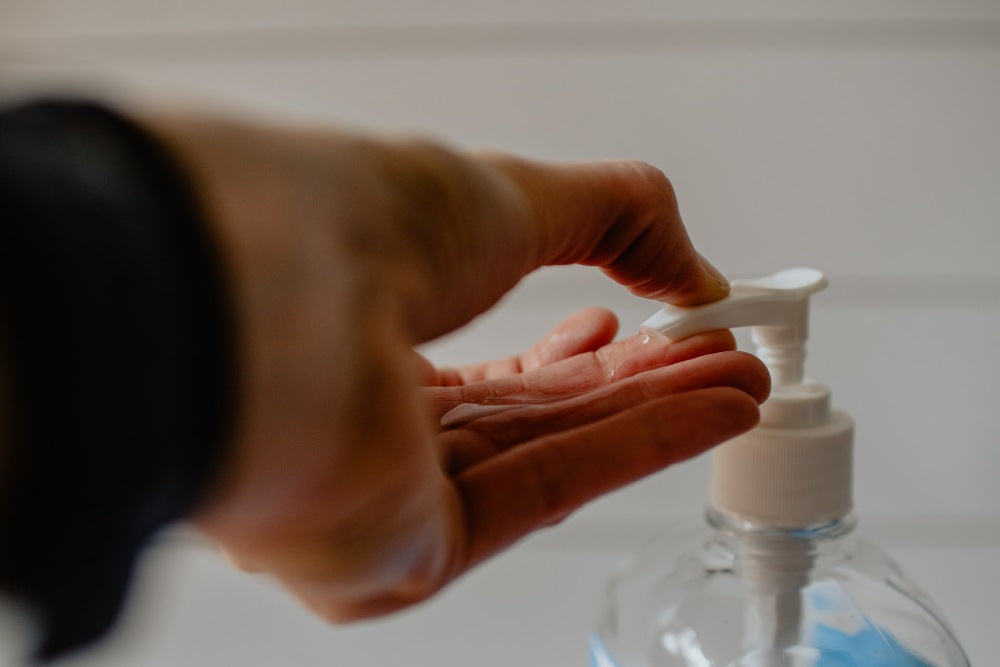
Yes, they definitely are. Don’t believe us? Take a look at these stats -
- Alcohol-based sanitizers can reduce about 97% of the bacteria on your hands.
- Proper hand hygiene can reduce absenteeism at work by up to 40%.
- Employees who use sanitizer at least five times each workday are about 67% less likely to get sick.
- 30 seconds of using hand sanitizer kills a much bacteria as two full minutes of handwashing
- Offices with a sanitation program report 24% fewer claims for hand hygiene preventable diseases.